From Trees to Keys: Why Your Charleston Land Realtor Needs Dirt Under Their Fingernails
Buying a beautifully staged home in downtown Charleston, Mount Pleasant, or Summerville is relatively straightforward. You tour the property, negotiate the contract, hire a home inspector, negotiate repairs, sign the papers, and collect your keys.
But buying a plot of raw, vacant land with the dream of building your own custom home? That is an entirely different landscape—literally and figuratively.
Many buyers mistakenly assume that any licensed real estate agent can assist them with a land purchase. However, traditional real estate training focuses almost entirely on existing structures, not dirt. To successfully guide a buyer “from trees to keys,” an agent needs hyper-specific, boots-on-the-ground experience. They need to understand soil profiles, tidal water tables, municipal zoning codes, and complex environmental constraints.
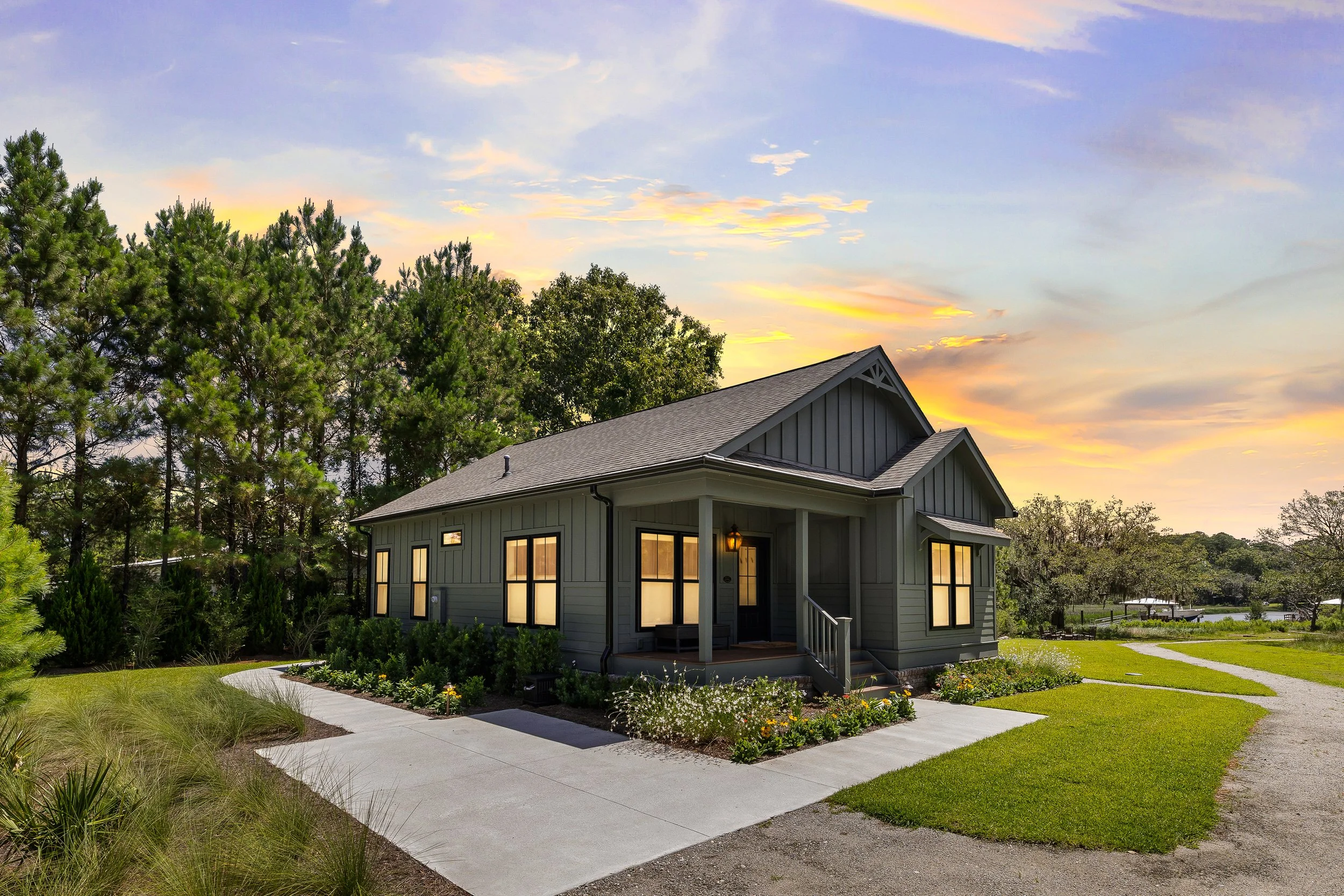
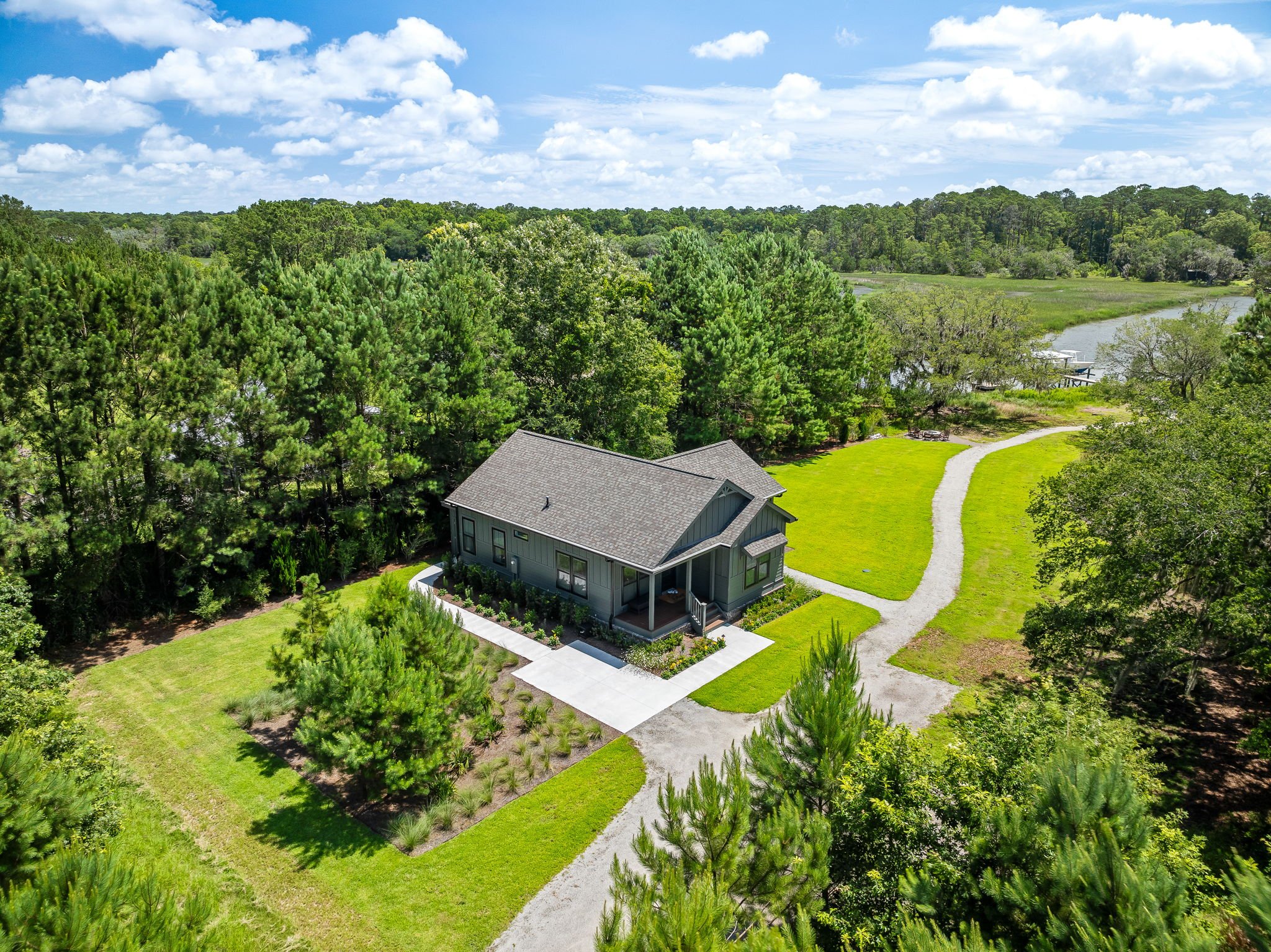
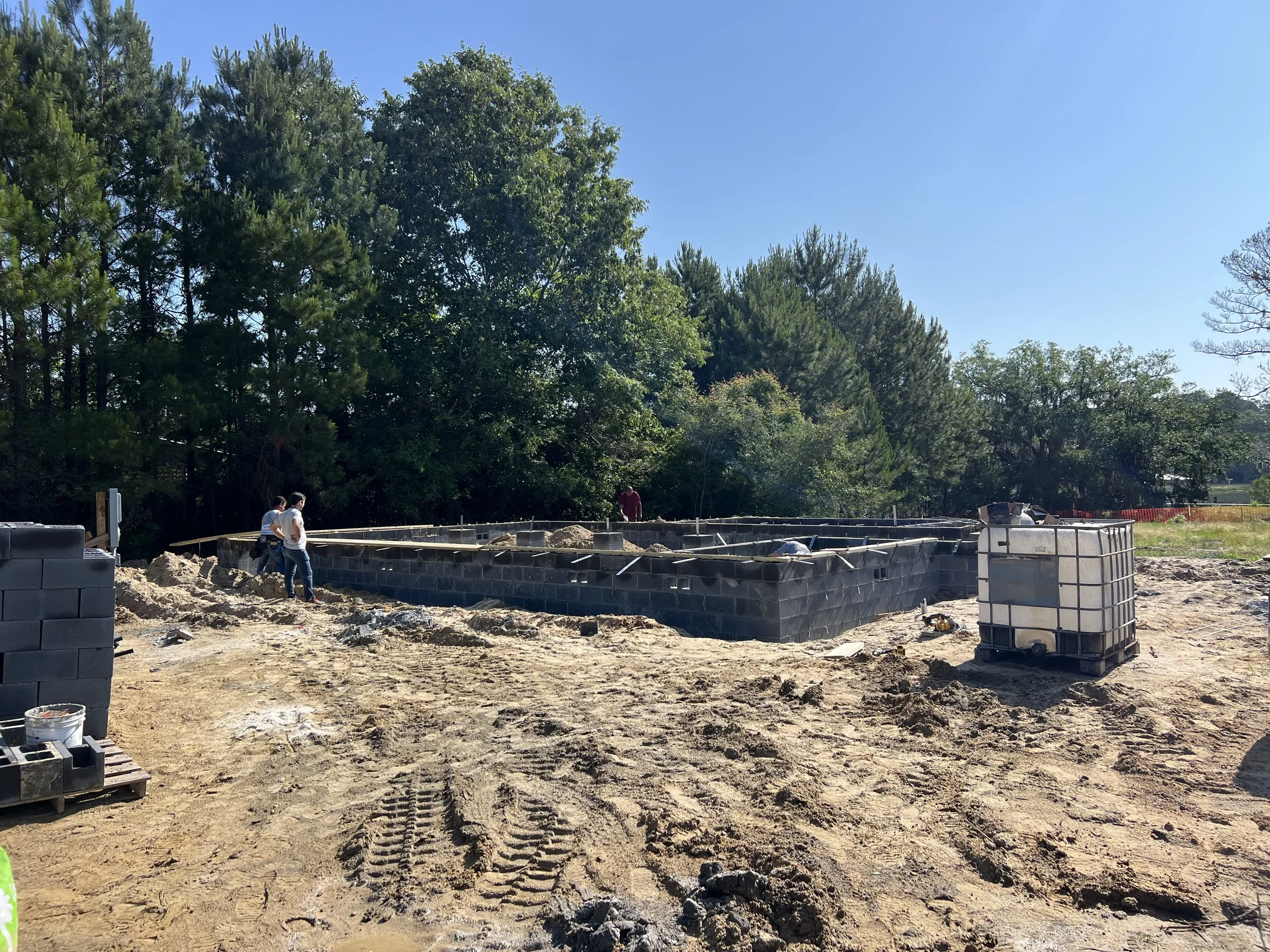
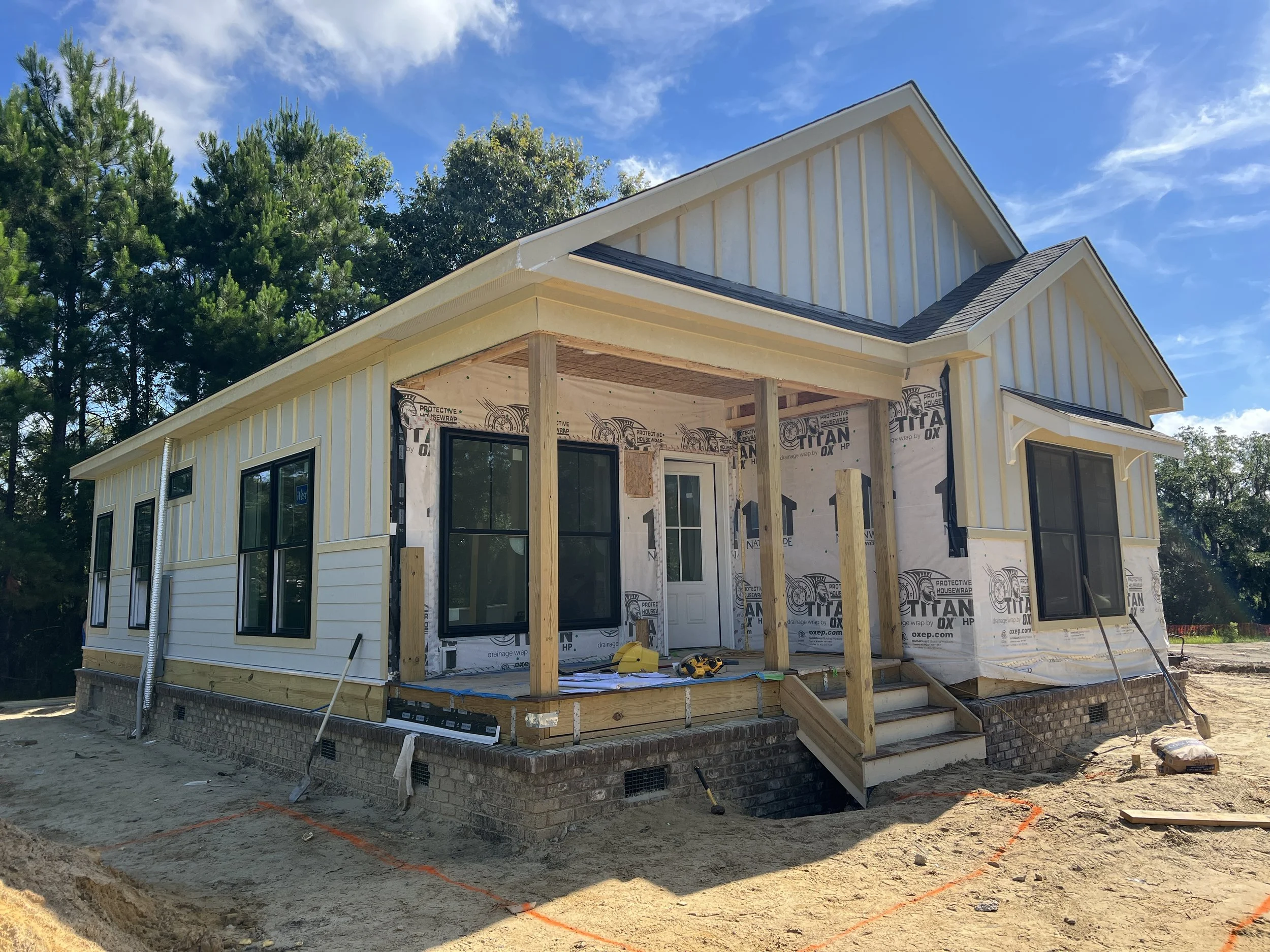
Recently, I went through the intense process of building my own custom home from scratch on raw land in Meggett, just south of Charleston. Facing every obstacle firsthand—from the science of septic to the protection of grand trees—fundamentally transformed how I advocate for my clients. Here is why having an experienced land-specialist Realtor is your most critical asset when buying vacant land in coastal South Carolina.
1. The Four Crucial Surveys You Can’t Skip
When looking at raw land, you cannot rely on a standard boundary line overlay. In our unique coastal ecosystem, a suite of specialized, site-specific assessments is mandatory before closing escrow:
Tree Survey: Charleston and its surrounding municipalities heavily protect mature canopy trees—especially our iconic Grand Oaks (24 inches or greater in diameter). Failing to properly map these can lead to massive design bottlenecks or steep municipal fines.
Topography Survey: This maps out the precise elevation changes across the lot. It dictates where your home can physically sit, how much dirt fill you will need to haul in, and how stormwater will drain.
Wetlands Critical Line Survey: Essential for coastal South Carolina. Working alongside the Army Corps of Engineers or OCRM/DHEC to flag where protected wetlands or tidal critical lines begin determines your actual, legal buildable footprint.
Flood Elevation Survey (Elevation Certificate): This determines your future FEMA flood insurance premiums and dictates how high your finished floor must be raised to meet local freeboard requirements.
2. Soil, Septic, and the Lowcountry Water Table
If your dream lot is located on Johns Island, Wadmalaw, Hollywood, Meggett, or parts of rural Berkeley and Dorchester counties, municipal sewer and water lines are rarely an option. This introduces massive infrastructure variables.
Soil Testing and Septic Permits
Before you purchase a lot, a perk (percolation) test is non-negotiable. The soil must be capable of absorbing water properly to support a traditional septic system. If it fails, you may be forced to install an expensive engineered alternative system, which can suddenly add $15,000 to $40,000 to your budget. Furthermore, your septic drain field must be placed strategically so that it leaves room for future building potential—like driveways, pools, or detached workshops.
The High-Salinity Well Water Challenge
If you have to dig a private well, reaching water isn't the problem in Charleston—it's the quality of that water. Our ground water table is frequently brackish and highly salty. When I built my own home, standard filtration wasn’t enough. We had to implement a complete Reverse Osmosis (RO) system paired with triple filtration just to ensure safe drinking water. A seasoned land agent knows exactly how to structure your real estate contract with water-quality contingencies to protect your earnest money.
3. Infrastructure Logistics and Hidden Zoning Trapdoors
Bringing infrastructure to a raw lot can quickly eclipse the original purchase price of the land if you aren't careful. A land-smart agent evaluates:
Land Clearing & Utility Connections: How far away is the closest power pole? Extending electrical lines or installing temporary construction poles requires coordination with cooperatives like Berkeley Electric or Dominion Energy.
Road Beds (Gravel vs. Plantation Mix): Building a driveway that can support heavy concrete trucks and framing deliveries requires the right materials. Plain gravel will easily wash away in a heavy Charleston downpour; a professional plantation mix (crushed limestone and binding elements) creates a stable, long-lasting base.
Rollback Taxes: If the vacant land was previously taxed under an agricultural classification, changing its use to residential can trigger "rollback taxes" for up to three previous years, hitting the buyer with a surprise four- or five-figure bill at closing if not negotiated upfront.
HOA Covenants and Town Zoning: Beyond local setbacks, private HOA covenants may mandate strict architectural styles, minimum square footages, or restrict your ability to clear certain sections of the lot.
4. Emergency Services & Long-Term Insurance
When buying acreage, it’s easy to fall in love with total isolation. However, an expert land agent looks at the long-term logistical reality. What is the distance to the nearest fire department? Is there a fire hydrant nearby, or will emergency services need to truck in water? This proximity significantly impacts your family’s safety—and it directly dictates your annual homeowner’s insurance premiums for the life of the home.
Let's Build Your Lowcountry Dream
Building your own home is an incredibly rewarding journey, but navigating raw land acquisition requires an advocate who has walked the path, cleared the brush, and turned on the taps. Don’t risk your life savings by working with an agent who only sells master-planned subdivisions.
Having gone through the trenches on my own personal build, I know exactly what questions to ask, what contingencies to write, and which experts to call.
Are you ready to find the perfect piece of Charleston dirt? Contact me today to evaluate your target lots, protect your budget, and ensure your journey "from trees to keys" is seamless.